Types of patent, and which one a startup needs
There are three types of US patent: utility, for how something works, lasting 20 years from filing; design, for how it looks, lasting 15 years from grant; and plant.
Most startups need a utility patent, reached through two filings: a provisional, never examined, and a nonprovisional, which the USPTO examines.
Utility patent
The one that matters for most startups: it covers how something works. 20 years from filing. This is what our plans deliver.
Design patent
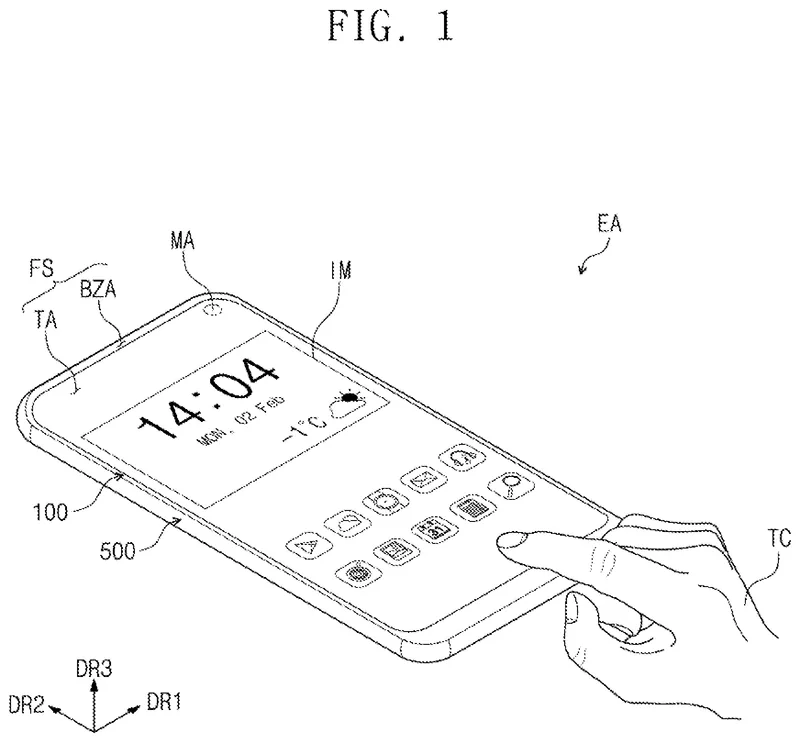
Covers how a product looks, not how it works: its shape, its surface or a screen layout. One claim and drawings of every side; no provisional exists for designs. 15 years from grant, with no maintenance fees.
Useful for hardware, consumer products, packaging and distinctive interfaces, alone or beside a utility patent. File within 1 year of first showing, selling or offering the product anywhere, and before showing it if other countries matter.
You send photos, CAD renders or sketches; our team prepares the formal drawings and the application, and your attorney files it.
Provisional application
Not a patent type but a filing type: a dated placeholder that gives 12 months of priority and lets you say patent pending. Cheap, fast, unexamined.
Provisional vs nonprovisional
A provisional needs a full description of the invention but no claims, is never examined and expires after 12 months.
A nonprovisional needs claims, the description, drawings and an inventor declaration, is examined, and is the only filing that can become a patent.
USPTO fees: a provisional costs $325 for a large entity, $130 for a small entity and $65 for a micro entity; filing, search and examination of a nonprovisional filed online cost $2,000, $730 and $400.
The 20 year term runs from the nonprovisional filing date, so the provisional’s 12 months do not count against it.
Continuation
A new application that inherits the parent’s filing date and pursues different claims on the same disclosure. How portfolios grow around a core invention. $9,500 fixed with us.
PCT (international)
A single application that preserves your right to file in 150+ countries for 30 months. Then you choose the national phases. $4,500 service fee plus $1,000 per country, official fees at cost.
Plant patent
For new plant varieties. Not us.
Common questions
What is the difference between a provisional and a nonprovisional patent application?
A provisional holds a filing date for 12 months, needs no claims and is never examined; USPTO fee $65 to $325. A nonprovisional has claims, is examined and can become a patent; USPTO filing, search and examination fees $400 to $2,000 filed online.
To keep the provisional’s date, the nonprovisional must be filed within 12 months.
Can a provisional become a patent on its own?
No. It expires after 12 months. Only a nonprovisional, filed within that window and claiming the provisional’s date, can be examined and granted.
Which type of patent does a software startup need?
A utility patent, which covers how the software or system works. A design patent can add cover for a distinctive interface or device look.
What is a continuation?
A later application that keeps the parent’s filing date and pursues different claims on the same description. It must be filed while the parent is still pending. With us it is $9,500 fixed.